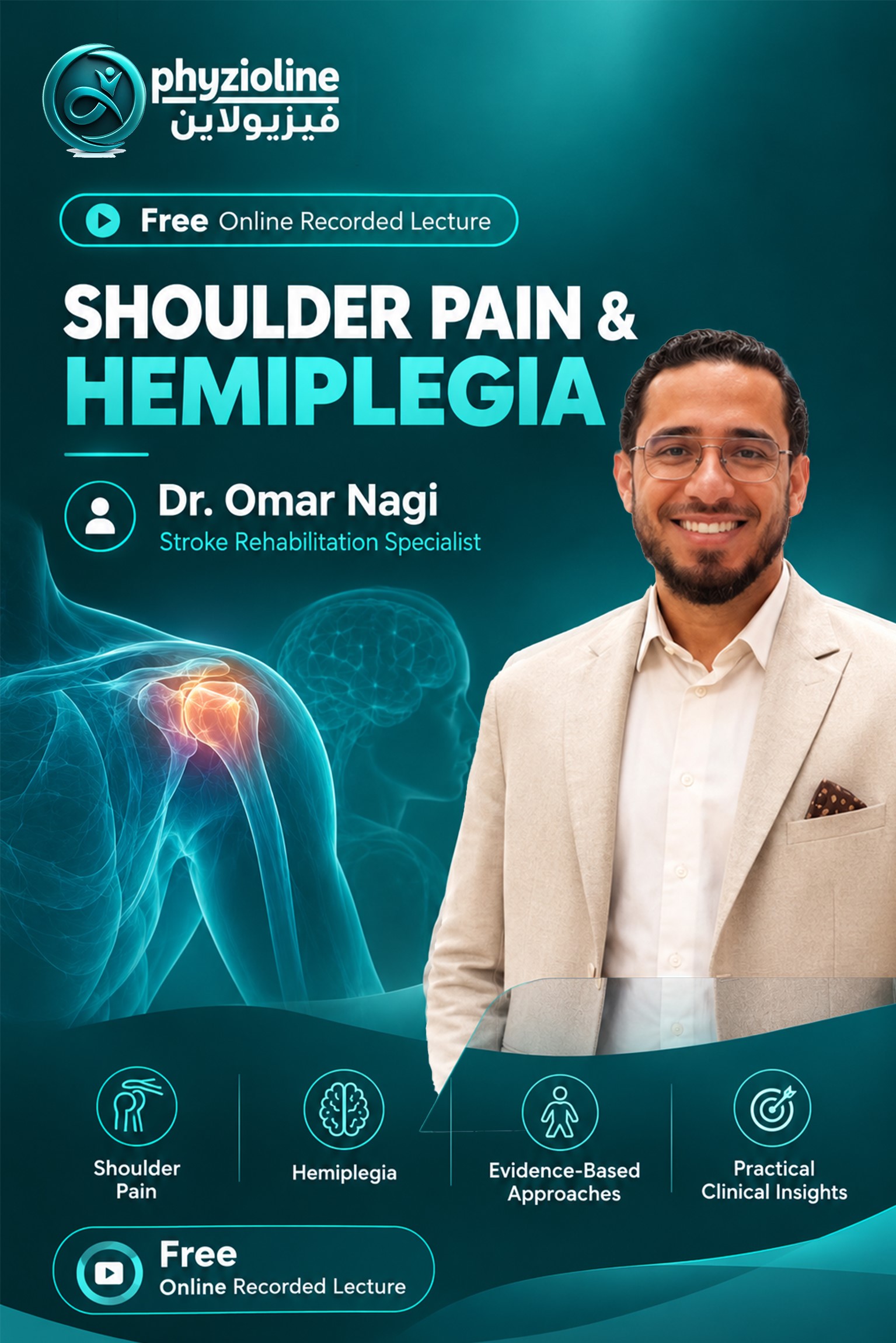

Shoulder pain is one of the most common musculoskeletal complaints encountered in physical therapy practice. Understanding its underlying mechanisms, identifying the contributing factors, and selecting the appropriate rehabilitation approach are essential for achieving successful clinical outcomes.
This lecture explores two important clinical areas: Shoulder Pain and Impingement Syndrome, and shoulder complications associated with Hemiplegia following stroke.
Dr. Omar N...
This lecture explores two important clinical areas: Shoulder Pain and Impingement Syndrome, and shoulder complications associated with Hemiplegia following stroke.
Dr. Omar N...
Shoulder pain is one of the most common musculoskeletal complaints encountered in physical therapy practice. Understanding its underlying mechanisms, identifying the contributing factors, and selecting the appropriate rehabilitation approach are essential for achieving successful clinical outcomes.
This lecture explores two important clinical areas: Shoulder Pain and Impingement Syndrome, and shoulder complications associated with Hemiplegia following stroke.
Dr. Omar Nagi introduces the clinical concepts behind shoulder pain, focusing on understanding shoulder impingement, recognizing relevant clinical presentations, and developing a structured approach to patient assessment and rehabilitation.
The lecture also addresses the challenges of shoulder dysfunction in hemiplegic patients, helping physical therapists understand the relationship between neurological impairment, altered shoulder mechanics, pain, and functional limitations.
Through a clinically oriented approach, participants will gain a better understanding of assessment principles, rehabilitation considerations, and the importance of selecting appropriate treatment strategies according to each patient's condition.